
Monochrome color by number, generated from your photo
One pen and a grid of marks. Density stands in for tone, so the hidden image emerges as you work through the page — no palette to manage, nothing to match.
Free to try in the browser. Your image never leaves your device.
Make a monochrome mystery page right now — free, no account
Upload a photo and use the real converter in your browser. Nothing is uploaded to a server — conversion runs on your machine.
JPG, PNG, or WebP · up to 12 MB
Processed in your browser, never uploaded
The preview is the real converter — switch patterns, zoom, and inspect the color key. Exporting a 300-DPI, KDP-ready PDF happens in the Studio, free with every account.
What is a monochrome mystery coloring page?
A monochrome page replaces the color key with a mark system. The converter reads the tone of each cell in your photograph and assigns it a glyph — empty, a dot, a light hatch, a dense fill — so a page worked entirely in one color still carries the full range from highlight to shadow. Nothing on the sheet tells you what the picture is; it appears as the marks accumulate, which is where the name mystery coloring comes from. Mosaci builds these from three mark grids — square, hexagon and dot — each with its own fixed glyph set, so a mark means the same thing on every page of a book.
Why work in one color
- One color end to end — no palette to buy, match or run out of
- Three mark grids: square mark, hexagon mark and dot mark
- Mark density derived from the tone of your own photograph
- A fixed glyph set per grid, so a mark reads the same across a whole book
- Prints in black and white, the cheapest interior option for KDP and POD
- Batch a whole folder so a monochrome book stays consistent page to page
- Runs in the browser — the photo is never uploaded to a server
- 10 free credits every month to test the style before committing
From a photo to a mark grid
- Step 1
Upload a photo
A clear subject with real tonal range works best — monochrome has only density to work with, so a flat, evenly lit image gives the marks nothing to separate.
- Step 2
Choose a mark grid
Square, hexagon or dot. The grid decides the cell shape and the glyph set, which is what gives each style its texture.
- Step 3
Set the cell size
Smaller cells hold more detail and take longer to complete; larger cells read as a bolder, faster page. This is the single setting that sets the difficulty.
- Step 4
Export the page
Take the mark sheet and its glyph reference as a print-ready file, ready to print at home or drop into a book interior.
Who works in monochrome
Publishers of black-and-white interiors
A monochrome mystery book prints on the cheapest KDP interior tier, which is why many catalogs start here rather than with full color.
Colorists who want one pen
No palette to carry and nothing to match — a monochrome page travels well and never stalls because one color has run out.
Anyone who likes the reveal
The page gives away nothing at the start. The subject only resolves once enough cells are filled, which is the whole appeal of mystery coloring.
Teachers and therapists
A repetitive, low-decision task with a visible result at the end — useful where the point is the focus rather than the color choices.
Questions about monochrome and mystery coloring
What is monochrome color by number?
It is a coloring page worked in a single color. Instead of a numbered palette, each cell carries a mark — a dot, a hatch, a denser glyph — and the density of that mark tells you how dark to make the cell. Work through the page with one pen and the image resolves out of the marks, which is why it is also called mystery coloring.
How is this different from a normal color-by-number page?
A color-by-number page gives you a numbered key and up to sixteen colors to match. A monochrome page gives you no palette at all: one pen, and a system of symbols standing in for tone. There is nothing to match and nothing to run out of, which is what makes it the more portable of the two formats.
Which mark styles does Mosaci produce?
Three: square mark, hexagon mark and dot mark. They differ in the cell shape and in the glyph set each one draws from, so the same photo can read as a tight grid, a honeycomb, or an airy field of dots.
Is it the same as color by symbol?
Yes — the terms describe the same idea. Each cell is labelled with a symbol rather than a number, and the symbol determines what you draw in that cell. Mosaci generates the symbol grid from your photo, using a fixed set of glyphs for the mark style you pick.
Does a monochrome book cost less to publish?
It prints in black and white, which is the cheapest interior option on Amazon KDP and most print-on-demand services. That is the practical reason many publishers start a catalog with monochrome titles rather than full-color ones.
Can I try a monochrome page before paying?
Yes. The tool on this page converts your own photo to a mark grid in the browser, free and without an account, so you can see the result before deciding anything. Downloading the file happens in the Studio and needs a sign-in; the free plan includes 10 exports a month.
Related tools & guides
See it on a real photo
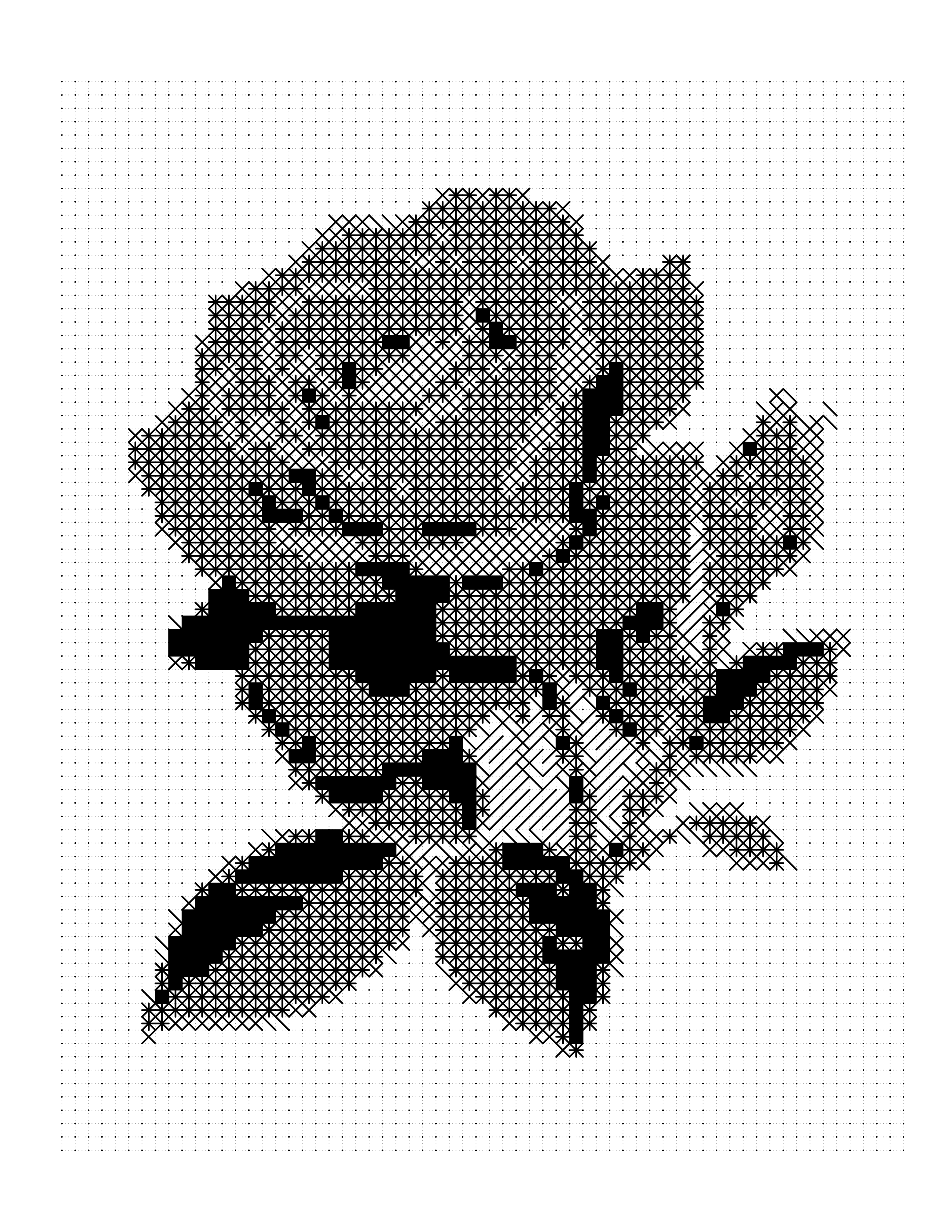
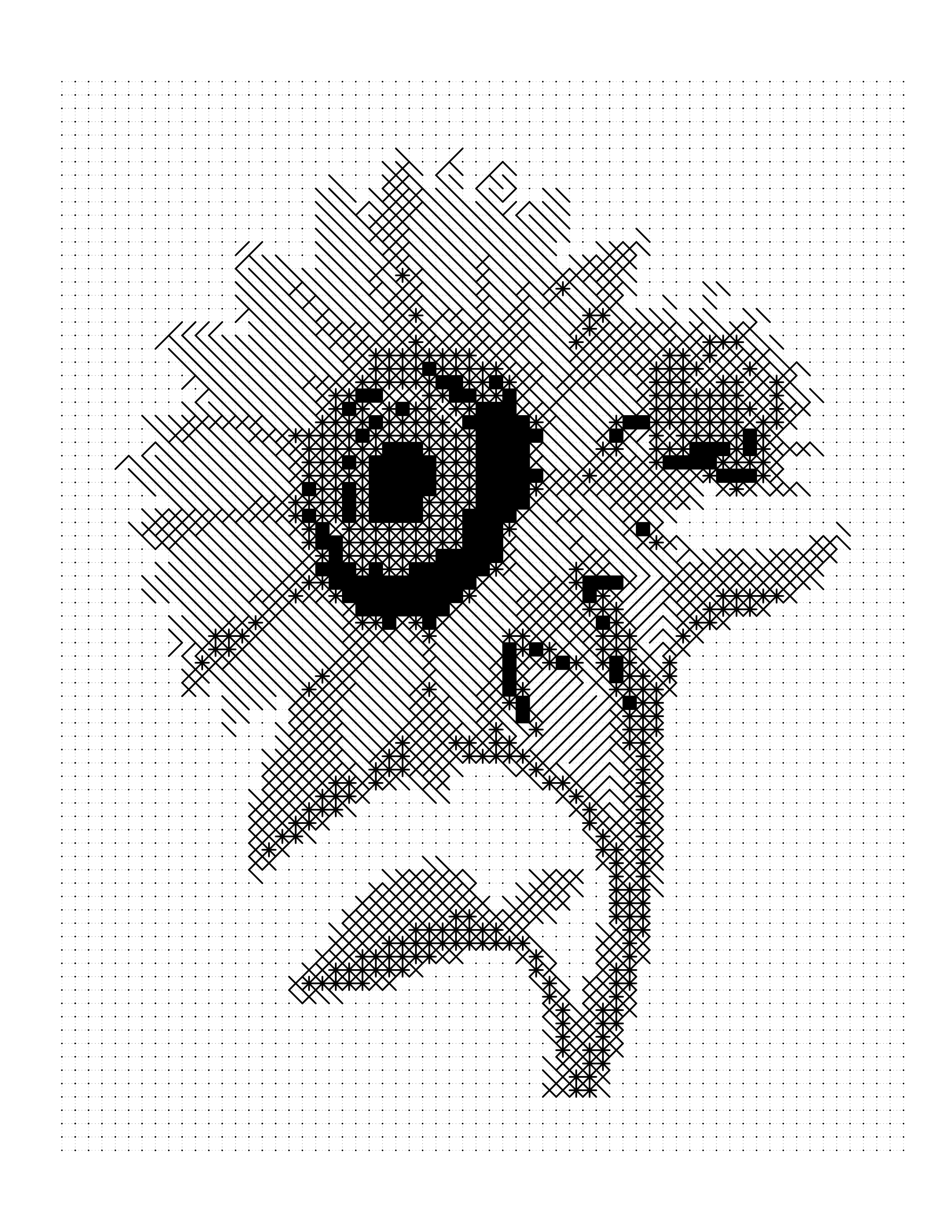
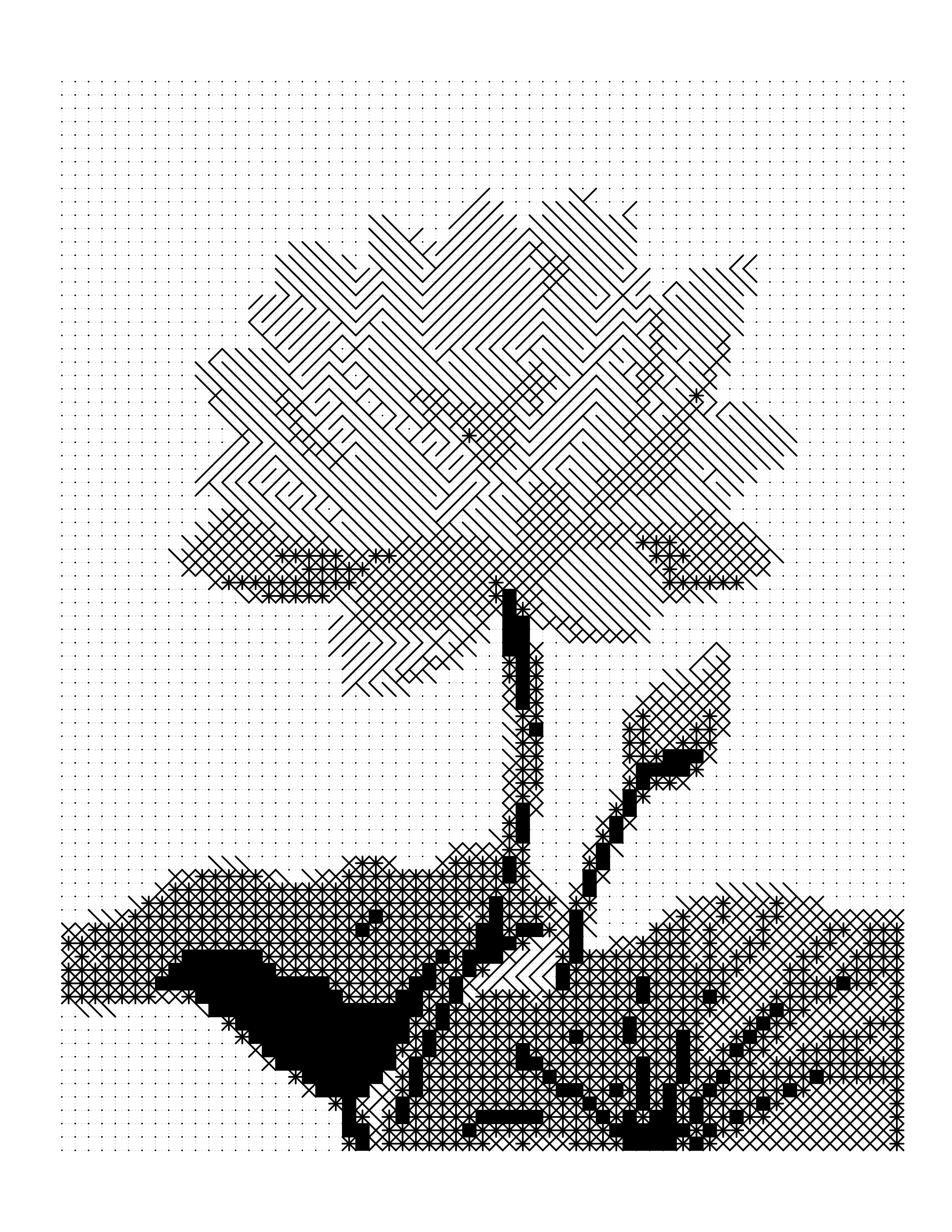
Each example shows the original photograph beside the outline, the colored render, and the palette pulled out of it.
Browse the full gallery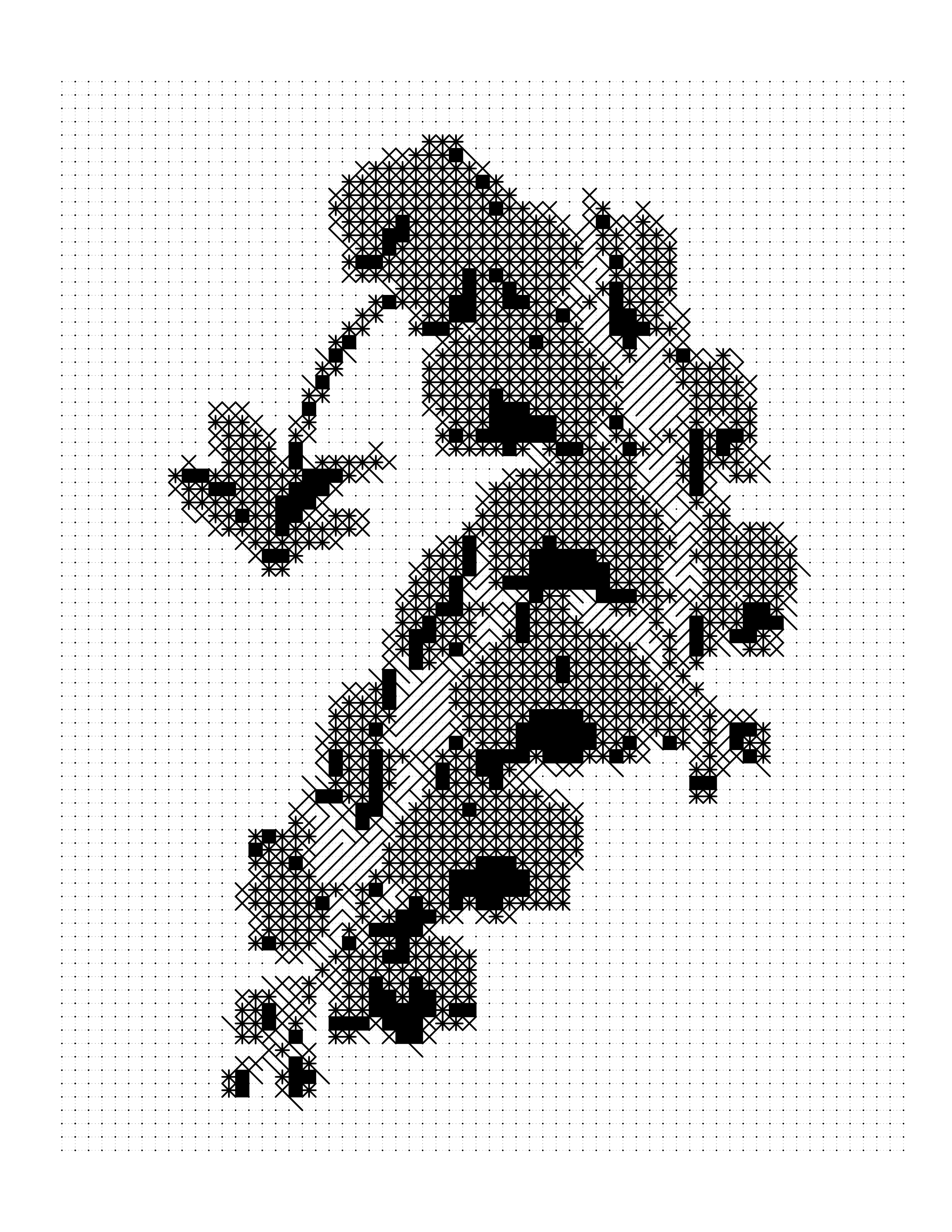
Guides on this
What Is Mystery Coloring? A Beginner's Guide
What mystery coloring and mystery mosaic pages are: how a coded grid hides the picture, how it differs from color by number and pixel art, and how to make one.
What Is Color by Symbol? A Beginner's Guide
Color by symbol explained: how symbol coloring pages work, why a symbol can mean a color or a shade, how to read the legend, and how to design a readable set.
What Is Monochrome Color by Number?
What monochrome color by number is, how it works, and why KDP publishers and teachers use it — with pattern comparisons, photo tips, and examples.
Photo to Color by Number: The Complete Guide (2026)
The complete guide to photo to color by number: how it works, square vs. hexagon vs. dot patterns, the best photos to use, and common mistakes.
Reveal your first hidden image
Convert a photo without an account to see the result. Creating one is free and takes a moment — it comes with 10 credits every month and no card.
Create Free