Mosaic Pattern Guide: All 10 Pattern Options Compared
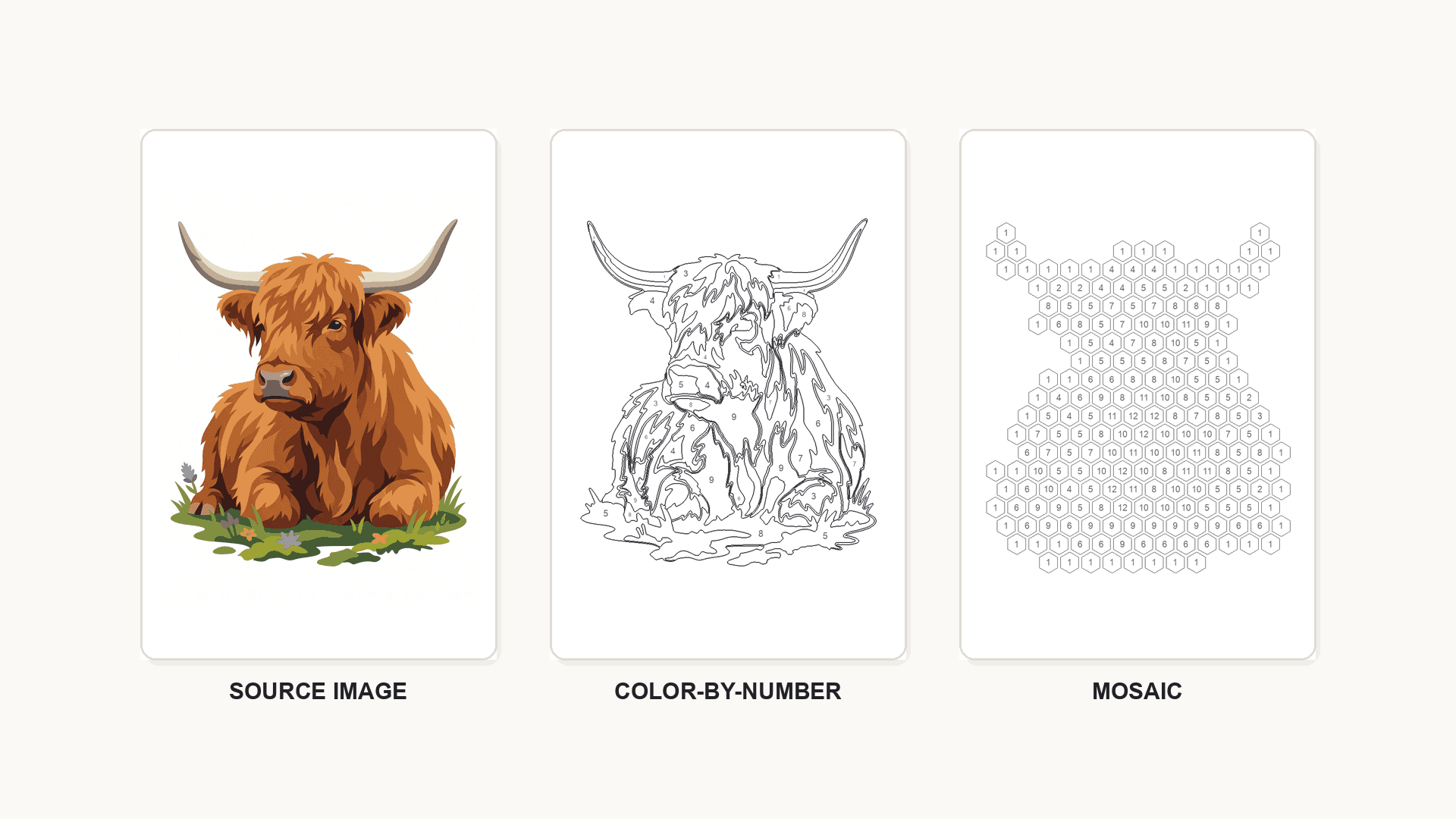
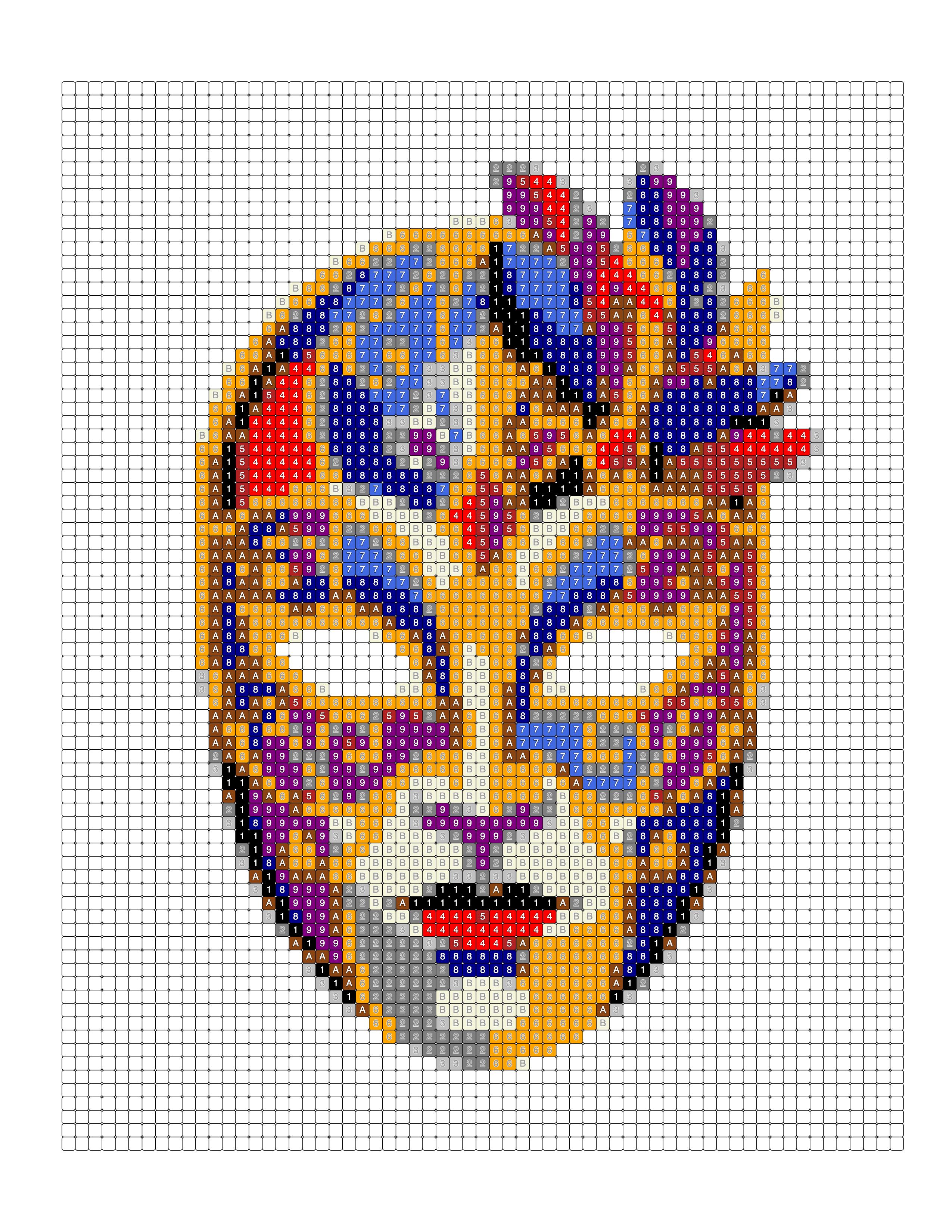
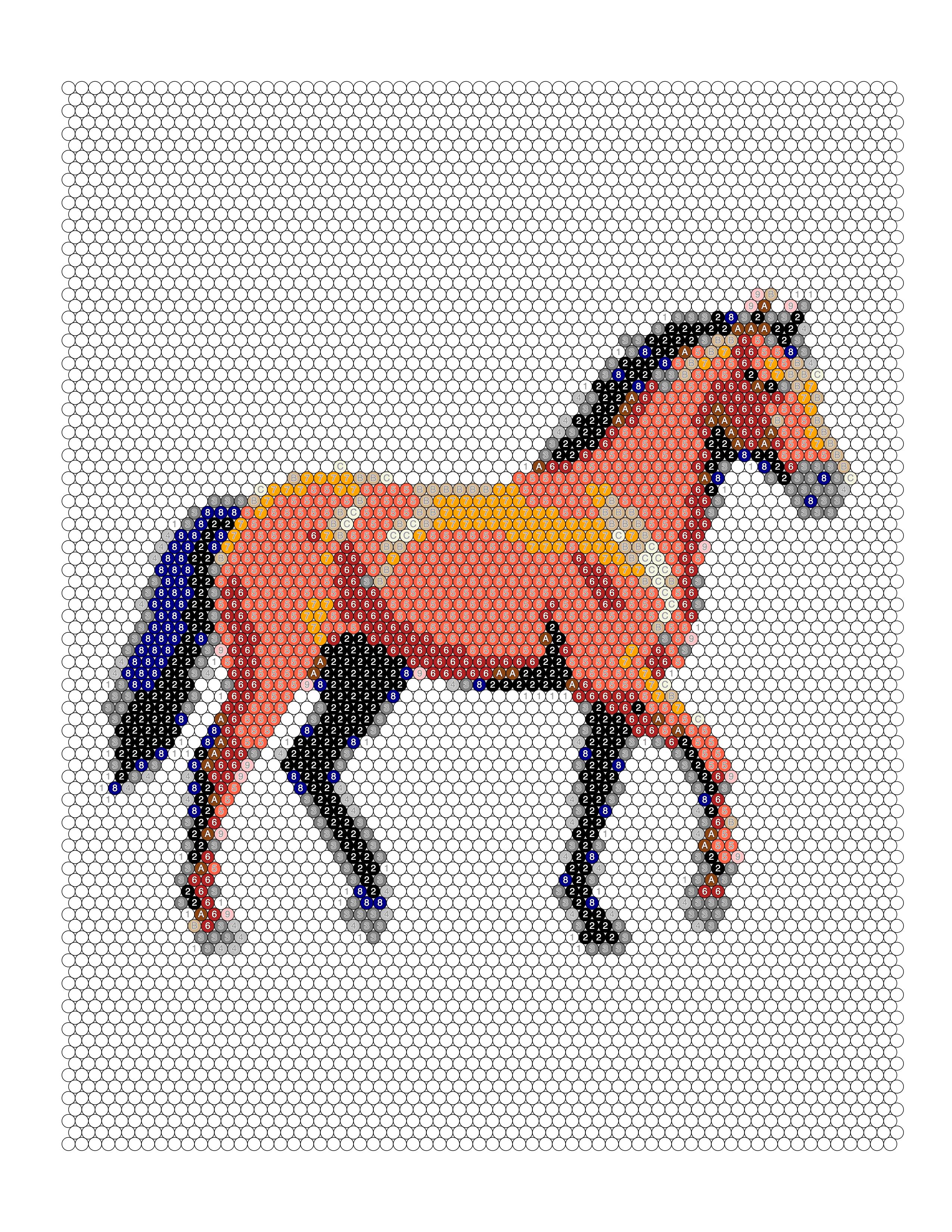
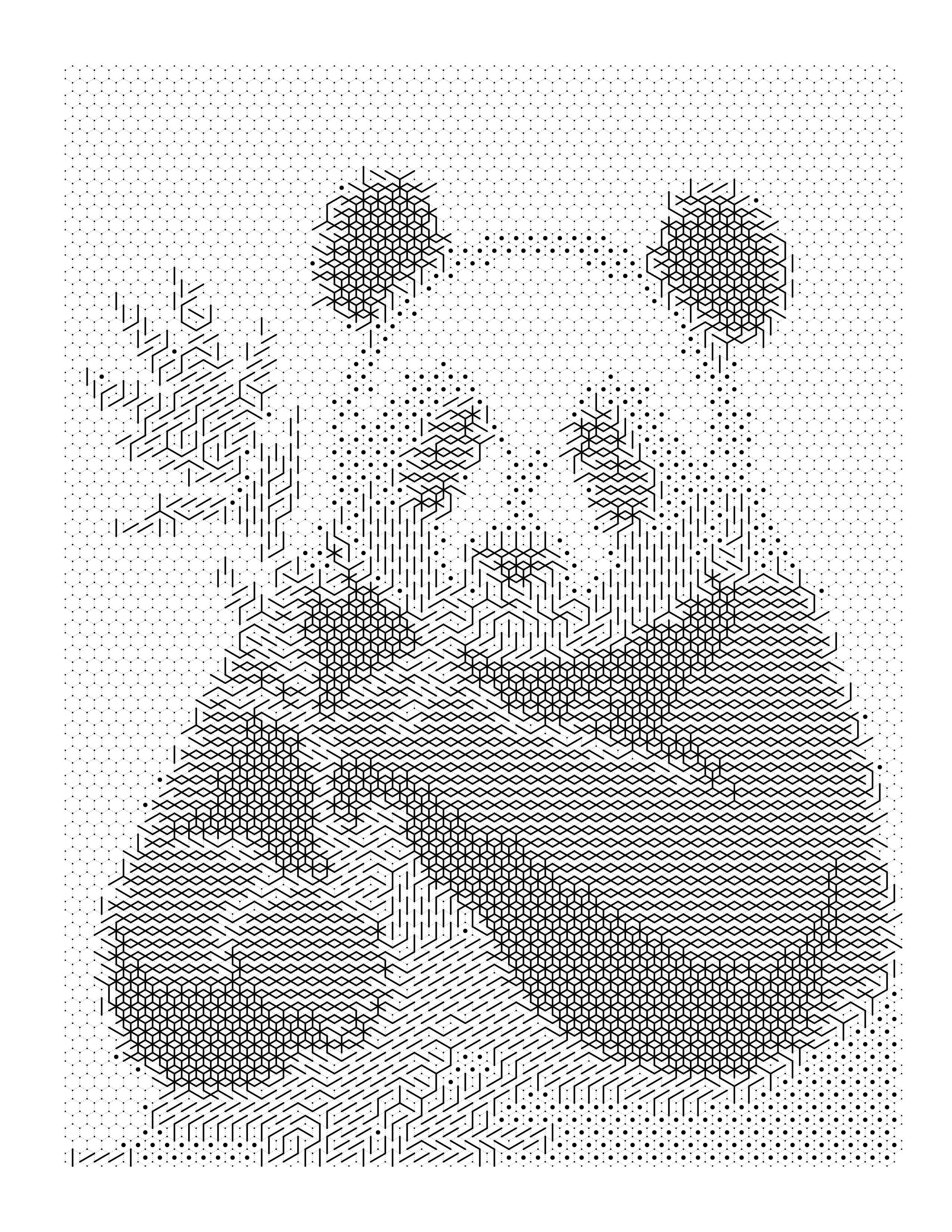
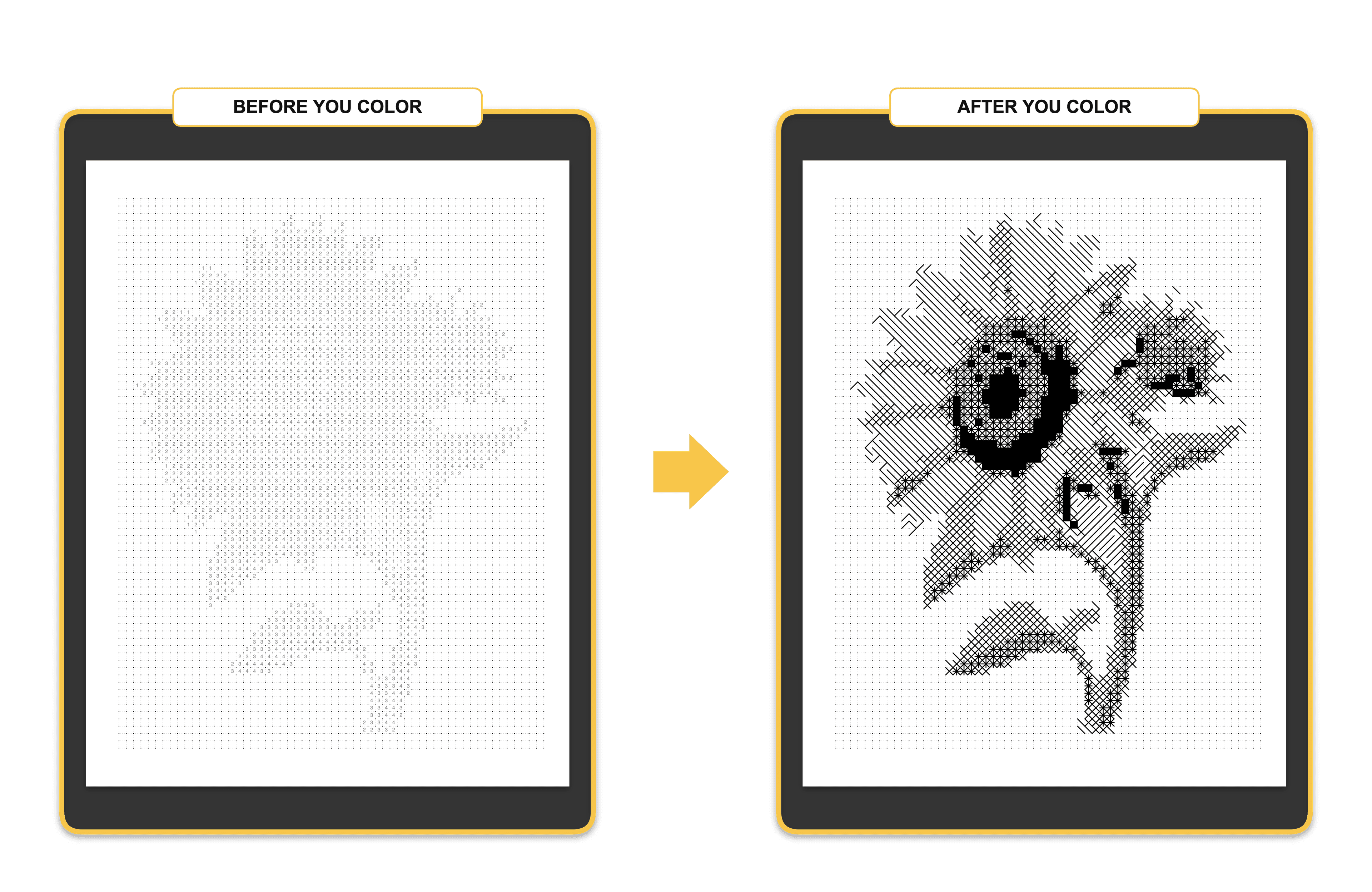
Mosaci Studio offers 8 color mosaic patterns and 2 monochrome mark styles. What each one looks like, how many regions it produces, and which subjects it suits, shown on real converted pages.
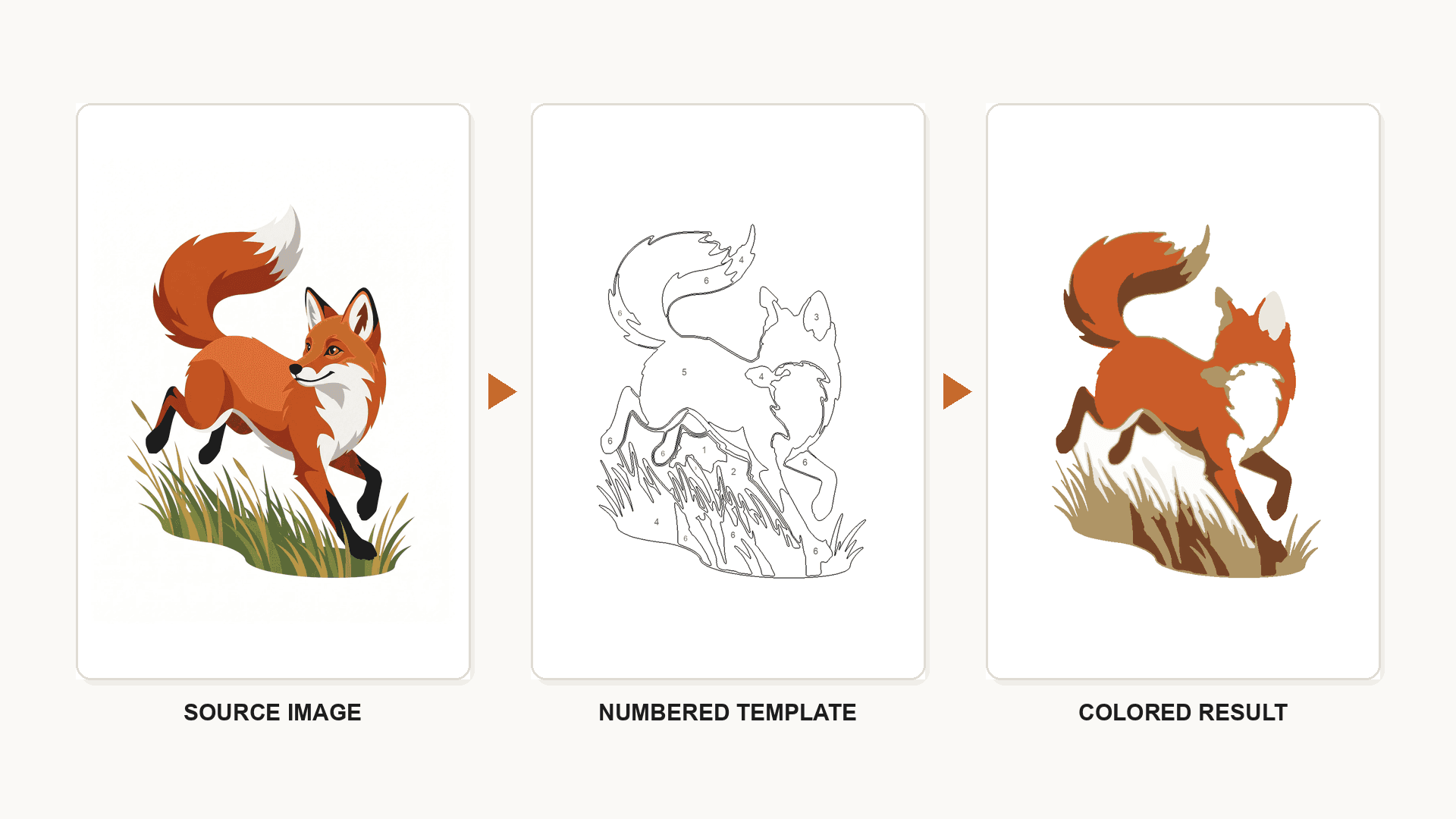
Color by number guides: how regions and palettes are generated, how many colors a page can carry, and what makes a page solvable rather than frustrating.
31 articles
All guidesMosaci Studio offers 8 color mosaic patterns and 2 monochrome mark styles. What each one looks like, how many regions it produces, and which subjects it suits, shown on real converted pages.
The Same Mark, Two Different Instructions
Symbol stands for a color
Symbol stands for a shade
Both are symbol coloring pages, and a page never tells you which kind it is — the legend does. Read it before the first cell, not after.
On a symbol page the code is a shape rather than a digit — and that shape can mean a color or a shade. The legend is the only thing that tells you which.
The Same Subject at Three Grid Sizes
Grid size is not a quality setting. Each of these is the correct answer for a different reader, a different subject and a different page.
Grid size looks like a taste setting and behaves like an engineering one. The grid box is 171 mm wide, that width divides by your column count, and the result either fits the pencil in the reader's hand or it does not.
From Photograph to Mystery Page
The answer image and the reduced-palette image are the same picture. The coded page is that picture with the color taken out and the numbers left behind.
A mystery book made from photographs lives or dies at the reduction stage. If the subject survives being flattened into eight colors, everything afterwards is production work.
How a Mystery Page Reveals Itself
The same page at three points. Nothing is added between them — the picture was always in the code.
On a mystery page you are given a code and no picture. The image only appears as you work through it — and everything else about the format follows from that one inversion.
Color-by-Number Book Production Sequence
The palette is locked before numbering, because every number on every page refers back to it.
A color-by-number book is a system before it is a collection of pictures. One palette, every region numbered, every puzzle answered — here is the production order that keeps it consistent.

When a photo makes a poor numbered mosaic page, the cause is usually specific: the subject is too few cells wide, the color count is off, the background is eating palette colors, or the print is scaled down. Each has a setting or crop that fixes it.
A custom coloring page is worth making only if the person coloring it ends up with a picture they recognize. In Mosaci that page is a numbered grid, and the photo, the palette, and the cell size decide whether the likeness survives.
Turning a picture into a numbered coloring page online is quick. Knowing whether the result is good, and which step to go back to when it isn't, decides whether the page is worth printing.

Mosaci converts a photo you already have; ColorBliss generates pages from a description and also converts photos. A fair comparison of what each is built for, and how to pick by your starting point.

Seven tools that turn a photo into a numbered, printable color-by-number page, compared by what each is built for rather than ranked. The right one depends on your photo, your palette, and where the page ends up.
Difficulty isn't one number. It's a combination of region count, size, color variety, and how much the subject naturally demands. Here's a practical way to think about it.
Color-by-Number Page Design
Regions Too Small
Well-Sized Regions
A beautiful source photo doesn't automatically make a good color-by-number page. Design is a separate, deliberate step — here's what it actually involves.
Source Resolution
Low Resolution
High Resolution
Resolution isn't one number — it's three separate stages, and confusing them is why some technically 'high-res' photos still produce disappointing coloring pages.
Converting a photo into a numbered coloring page is only half the job. Getting it onto paper with readable numbers, clean cells and an accurate color key is its own process.
Landscapes have no single subject, and a numbered grid flattens what isn't planned for. Here's how sky, water, depth and cell size behave when a scene becomes a color-by-number page.
Wedding Photo Contrast
Overexposed / Flat
Balanced Contrast
White dresses, dark suits and busy backdrops all behave differently on a numbered cell grid. Here's how to turn a wedding photo into a color-by-number keepsake.
Family Photo Composition
Overlapping Bodies
Clear Separation
Family photos split one grid across several faces. Here's how to choose and prepare one so every person stays recognizable on a numbered color-by-number page.
Mosaci turns a portrait photo into a numbered mosaic coloring page — a grid of cells colored by number. Faces are unforgiving, so lighting, crop and settings matter more here than anywhere.
Mosaci turns a pet photo into a numbered mosaic coloring page: a grid of cells, each marked with its color. Here's how to pick a photo and settings that keep your pet recognizable.
Mosaic Coloring
Color by Number
Mosaic coloring uses a repeating tile grid; color by number uses irregular, subject-shaped regions. Here's exactly how the two formats compare.
More detail comes from more regions, a larger palette, and a higher-resolution source photo. Here's how to raise detail without making the page unusable.
Mosaci Studio sets color-by-number palettes from 4 to 23 colors, with 12 as the default. How color count, cell size and region count combine, and starting points for children, beginners, adults and experienced colorists.
Traditional Coloring
Color by Number
Color by number tells you exactly which color goes where. Traditional coloring leaves it up to you. Here's how the two formats really compare.
Color by number works by dividing an image into numbered regions, each tied to one color in a key. Here's exactly how that process works, step by step.
Mosaic coloring turns images into a grid of colorable tiles. Here's how it works, how it differs from color by number, and how to create your own.
Color by number is a coloring method where numbered regions map to fixed colors. Here's exactly how it works, its variations, and who it's for.

How a photo becomes a numbered color-by-number page: a real example, the exact steps in the generator, which images work, and how to fix a weak result.

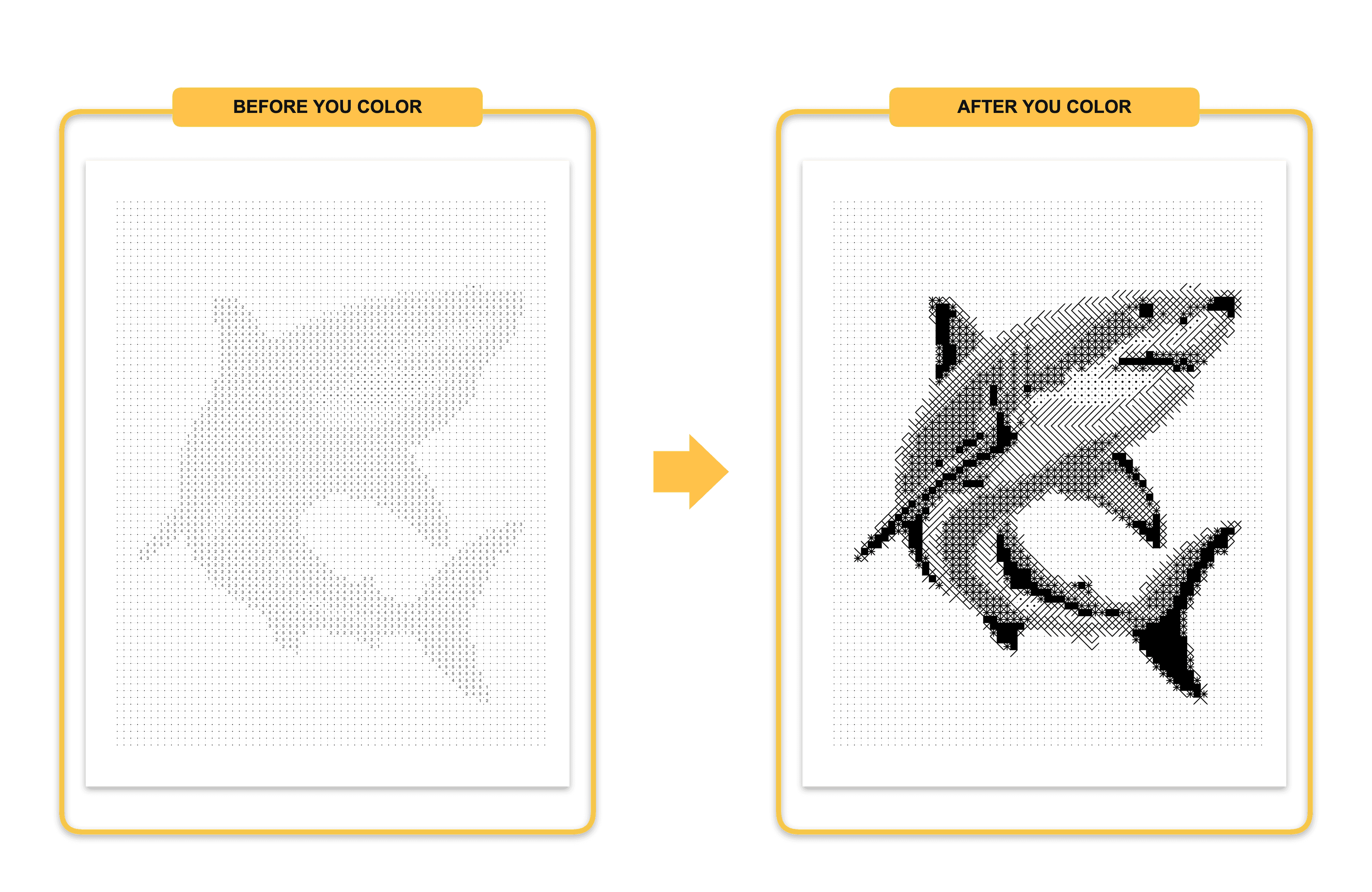
Monochrome color by number turns an image into a grid of numbered marks that one pen can complete, with the picture hidden until the end. What it is, how a photo becomes marks, and how the two patterns differ.


Not every photo makes a great coloring page. Learn exactly which photos convert beautifully — and which ones will frustrate your colorists before they even pick up a pencil.

The photo you choose and how you prepare it decide most of how a coloring page turns out. The CLEAR checklist for choosing a photo, how to set cell size and color count, and how to export a print-ready file.
Mosaci turns a photo into a numbered color-by-number page in your browser. No account needed to see the result.
See real examples